
Dog Drinking a Lot of Water - When Should You Be Concerned?
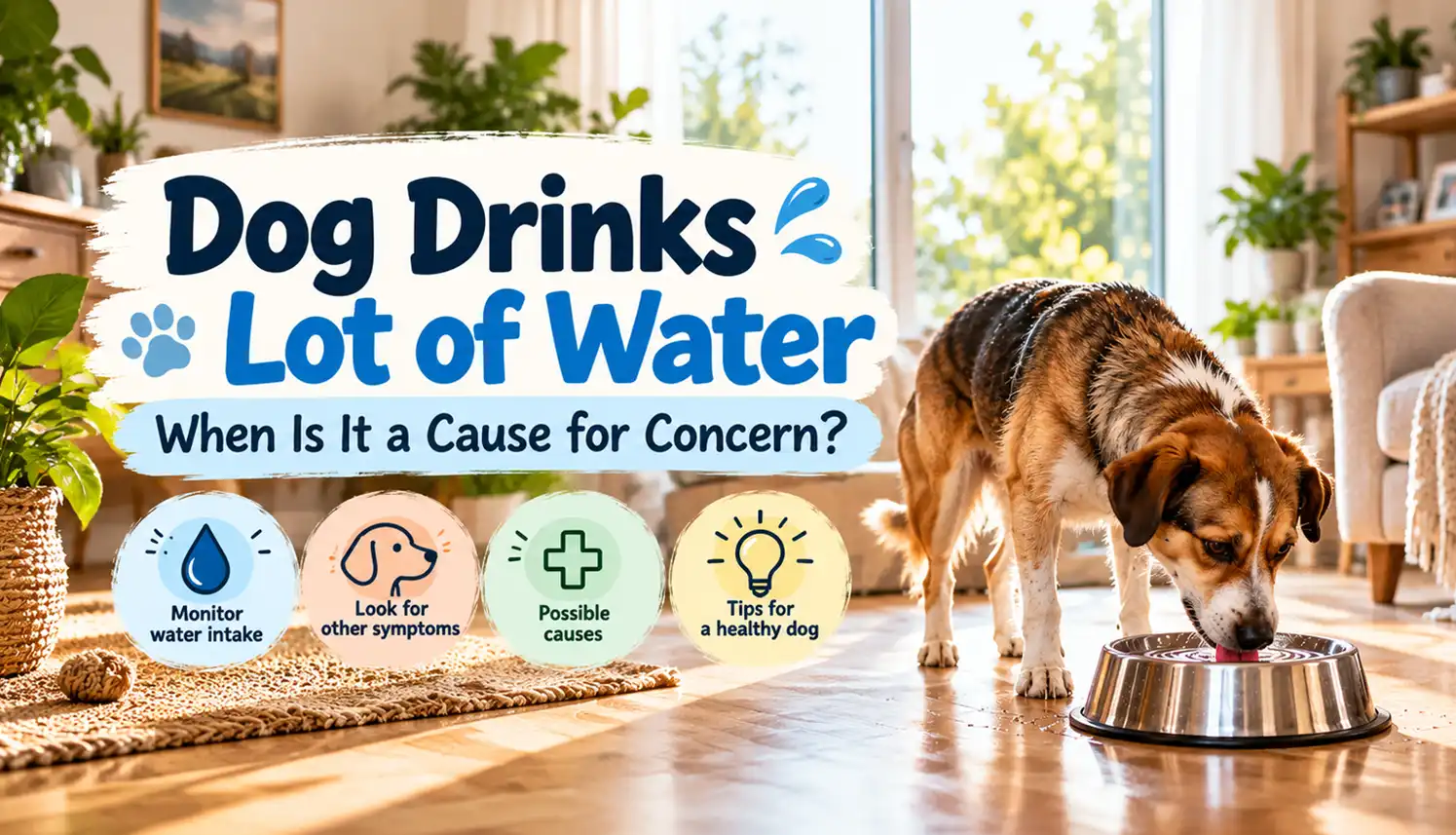
The water bowl is empty again. Your dog seems to be standing in front of it more often than usual, drinking for longer periods and perhaps asking to go outside more frequently. People who know their dog well often notice these changes very quickly. However, increased water intake does not automatically mean that something is wrong. After a long walk, on a hot day, after intense play or when mainly eating dry food, a dog may naturally drink considerably more than usual.
What matters most is not one unusually empty water bowl, but a persistent change in drinking behaviour. If a dog suddenly drinks significantly more water than usual for several days, it is worth paying closer attention. In veterinary medicine, excessive thirst is known as polydipsia. It becomes particularly important when increased drinking is accompanied by other changes such as frequent urination, weight loss, unusually strong appetite, tiredness or altered behaviour.
As a general guideline, a dog under normal conditions often requires around 40 to 70 millilitres of water per kilogram of body weight per day. Actual requirements vary considerably depending on diet, temperature, activity level and overall health. Veterinary references commonly place normal water consumption at approximately 44 to 66 ml/kg per day under normal environmental conditions. A consistently increased intake approaching 100 ml/kg of body weight per day or more should generally be discussed with a veterinarian.
Dog's weightApproximate daily water intake5 kgapprox. 220–330 ml10 kgapprox. 440–660 ml20 kgapprox. 880–1,320 ml30 kgapprox. 1.3–2.0 litres40 kgapprox. 1.8–2.6 litresThese figures are guidelines rather than strict limits. A 30-kilogram dog, for example, may drink significantly more on a warm summer day after plenty of exercise than during a quiet winter day. The type of food also makes a substantial difference.
Why Is My Dog Suddenly Drinking More Water?
One of the most common and harmless explanations is simply an increased need for fluids. Hot weather, physical activity, heavy panting and dry dog food can all cause dogs to visit their water bowl more frequently. Wet food already contains a considerable amount of moisture, whereas dry food contains relatively little. A dog that has recently switched from wet food to dry food may therefore begin drinking noticeably more without being ill.
Salty treats, certain medications and changes in routine can also affect drinking behaviour. Medications such as corticosteroids or phenobarbital may increase thirst. If your dog's drinking habits have changed, it is therefore worth considering whether any medication has recently been introduced or whether the dosage has changed.
The situation becomes more important when there is no obvious explanation. If your dog suddenly starts drinking far more water despite normal temperatures, unchanged feeding habits and normal activity, and this continues for several days, the underlying reason should be investigated.
Your dog's own normal drinking pattern is often more important than a single theoretical number. If you have filled the water bowl once a day for years and suddenly find yourself refilling it three or four times, that change deserves attention even if the calculated daily intake has not yet clearly crossed a medical threshold.
Which Illnesses Can Cause Excessive Thirst in Dogs?
Excessive thirst in dogs is not a disease in itself. It is a symptom that can occur with a number of different medical conditions. Some illnesses cause the body to require more fluid, while others cause excessive water loss through the kidneys.
Possible causes include kidney disease and diabetes mellitus. In dogs with diabetes mellitus, blood glucose levels are too high. When excess glucose is excreted through the urine, it draws water with it. The dog urinates more frequently and then drinks more in an attempt to replace the lost fluid.
Kidney disease can also lead to increased drinking. If the kidneys are no longer able to concentrate urine properly, the body loses larger quantities of water. The dog compensates by drinking more.
Another possible cause is Cushing's syndrome, also known as hyperadrenocorticism. Dogs with this condition produce or are exposed to excessive amounts of cortisol. Alongside increased thirst and urination, possible signs include increased appetite, coat changes, muscle weakness and a noticeably rounded or pot-bellied abdomen.
The rarer condition diabetes insipidus can also result in a dog producing large amounts of very dilute urine and consequently drinking considerable quantities of water.
In unspayed female dogs, pyometra, a potentially serious infection of the uterus, must also be considered. Increased thirst combined with lethargy, fever, reduced appetite or vaginal discharge should be assessed by a veterinarian promptly.
Liver disease, hormonal disorders, certain infections and disturbances in mineral or electrolyte balance may also alter a dog's drinking behaviour. This is why the statement “my dog drinks a lot” alone is not sufficient to identify the cause.
One important rule should always be followed: never restrict a dog's access to water simply because it is drinking excessively unless a veterinarian has specifically instructed you to do so. Increased thirst may reflect a genuine physiological need. Restricting water in such circumstances can be dangerous. Fresh drinking water should normally remain available at all times.
How Can You Tell Whether Your Dog Is Actually Drinking Too Much?
The impression that a dog is “drinking all the time” can sometimes be misleading. The easiest way to obtain reliable information is to measure the dog's water consumption over 24 hours.
Start in the morning by measuring exactly how much water you place in the bowl. If you refill it during the day, record the additional amount. The following morning, measure the water that remains and subtract it from the total amount provided.
If several dogs share the same bowl, this measurement will only be meaningful if each dog has access to a separate water source during the monitoring period.
Here is a simple example: a dog weighing 30 kilograms drinks approximately 1.5 litres over 24 hours. That equals 50 ml per kilogram of body weight, which can be perfectly normal. If the same dog regularly consumes three litres or more, however, that corresponds to approximately 100 ml/kg per day and should be investigated, particularly if the increased drinking is a new development.
It is also useful to observe whether your dog is urinating more frequently, waking during the night to go outside or producing unusually large amounts of urine. Changes in body weight, appetite and general behaviour can provide valuable additional information.
Ideally, record water consumption for two or three consecutive days. A simple written record is much more useful to a veterinarian than saying that the dog seems to be “drinking more than usual.”
When Should a Dog That Drinks a Lot of Water See a Vet?
A single episode of increased drinking after exercise or during hot weather is usually not a reason to worry. The situation is different if a dog drinks significantly more water for several days without an obvious explanation, if the amount continues to increase or if additional symptoms appear.
You should pay particular attention if your dog also urinates much more frequently, suddenly needs to go outside during the night, loses weight, eats significantly more or less than usual, vomits, develops diarrhoea or appears unusually tired or weak. If the dog's general condition deteriorates noticeably, do not wait several days before seeking veterinary advice.
Depending on the individual case, a veterinarian may initially recommend a general physical examination together with blood and urine tests. These can provide information about kidney function, blood glucose levels and possible metabolic abnormalities. Further diagnostic tests can then be selected based on the results.
The most important point for dog owners is simple: an occasional extra visit to the water bowl is not automatically a warning sign. However, a clear and persistent change in your dog's drinking habits should never be ignored.
Nobody knows your dog's normal routine better than you do. If something suddenly feels different, it is worth paying attention. Measuring water consumption over two or three days often provides useful clarity and, if a veterinary examination becomes necessary, gives the vet valuable information to work with.
This article provides general information about canine health and is not a substitute for veterinary examination, diagnosis or individual medical advice.