Dog Panting a Lot. Normal, Stress, or a Sign of Illness?
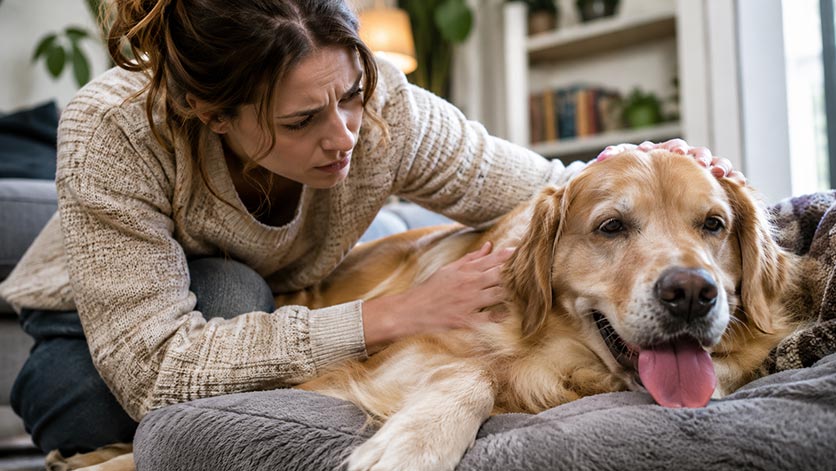
The walk ended a while ago, the temperature outside is pleasantly cool, and your dog is lying comfortably in their favorite spot. They should be ready for a nap. Instead, they're breathing rapidly, their mouth is open, and they're panting much more than usual.
Anyone who knows their dog well can often tell immediately when something isn't quite right. But what does it mean when a dog is panting excessively, even though they haven't been exercising?
Panting is a normal part of a dog's life. After running around, on a hot summer day, or during an exciting encounter, it's usually nothing to worry about. However, rapid breathing can sometimes indicate something more serious. Pain, stress, illness, or the early stages of overheating may all produce similar symptoms.
The important thing isn't simply how often a dog pants. What matters most is the situation, their overall behavior, and whether their breathing returns to normal after they've had time to rest.
Why Dogs Pant and When It's Completely Normal
When humans get hot, they sweat to cool down. Dogs, however, have very few sweat glands, mainly located in their paw pads. Instead, they rely heavily on panting to release excess body heat.
As a dog pants, air moves over the moist surfaces of the mouth and tongue. Moisture evaporates, helping the body cool down.
This explains why dogs breathe more rapidly after a long walk or an energetic play session. Their muscles have been working, their body temperature has risen, and their system needs time to cool down.
In healthy dogs, breathing usually settles once they've recovered and the surrounding temperature is comfortable. How long this takes depends on their fitness, the weather, and how much physical activity they've had.
Interestingly, not all dogs pant to the same extent. A young, athletic dog may recover differently from an oldr dog carrying extra weight. Their physical anatomy also plays an important role.
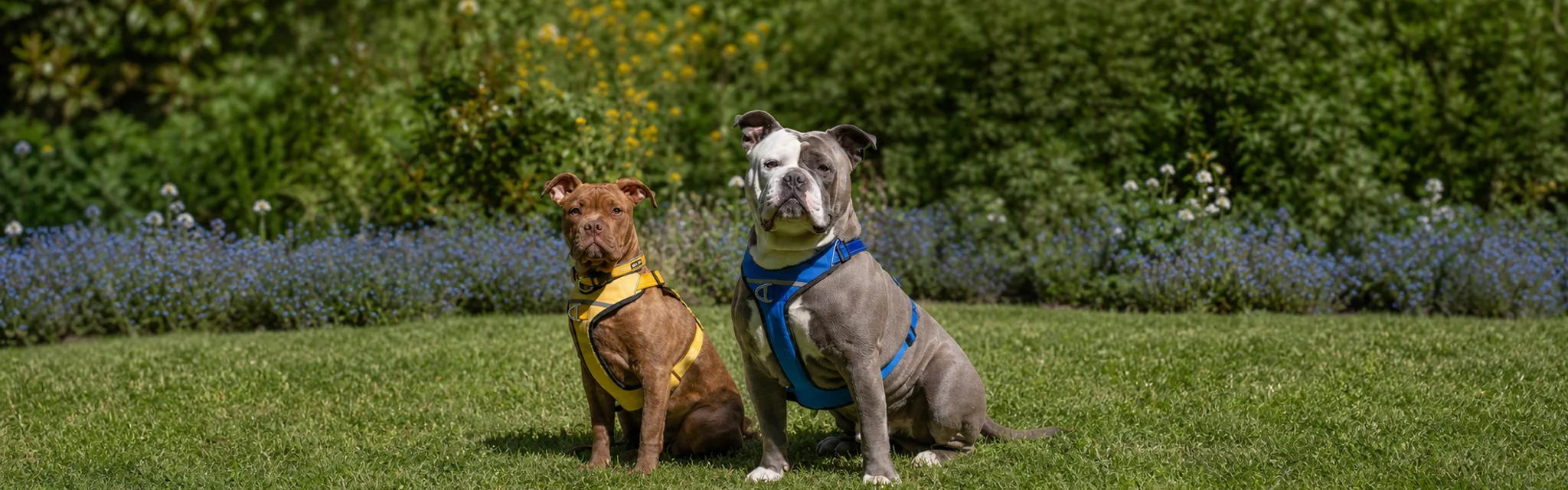
Dogs with shorter muzzles deserve particular attention. Breeds such as Pugs, French Bulldogs, and some Old English Bulldogs can have narrowed upper airways, making breathing and temperature regulation more difficult.
Heavy panting in Bulldogs should therefore never automatically be dismissed as a normal breed characteristic. Noisy breathing, unusually rapid exhaustion, or difficulty coping with warm weather may indicate an underlying airway problem that requires veterinary attention.
The season also makes a difference. On a hot summer afternoon, a dog's body needs to work much harder to stay cool than on a crisp autumn morning. High humidity makes cooling through evaporation even less effective.
Sometimes, though, the explanation is surprisingly simple.
Perhaps your dog has just enthusiastically greeted a visitor, spotted a favorite toy, or realized that dinner is about to be served. Positive excitement can temporarily increase their breathing rate, too.
As long as their breathing returns to normal afterward and no other symptoms appear, occasional panting is generally harmless.
A dog that continues panting for no obvious reason, however, deserves a closer look.
When Stress, Anxiety, or Pain Causes Excessive Panting
Not every dog breathing with an open mouth is trying to cool down. Emotions and physical discomfort can also affect breathing.
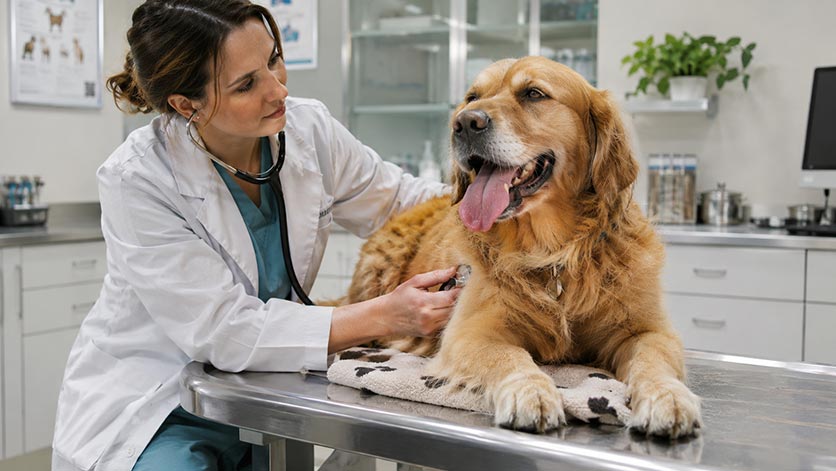
A common example is a visit to the veterinarian.
Some dogs begin panting before they've even entered the clinic. They're sitting in the car, the weather is mild, and they haven't been physically active. Yet their breathing becomes noticeably faster.
Unfamiliar surroundings, strange smells, or unpleasant memories may be enough to trigger a stress response.
The same thing can happen during thunderstorms, fireworks, car journeys, or unfamiliar situations.
Some dogs are particularly sensitive to changes at home. New family members, building work, or being separated from familiar people for longer than usual can cause anxiety and restlessness.
If you suspect your dog is panting because of stress, pay attention to other body language signals.
Common signs include restlessness, trembling, tense muscles, ears held back, or repeated lip licking. Some dogs pace around the house, while others withdraw and look for somewhere quiet to hide.
The important thing is not to put additional pressure on your dog.
A calm, familiar place, predictable routines, and enough distance from whatever is causing the anxiety may help. Allow your dog to decide whether they want comfort and company or would rather be left alone.
Recognizing pain can be more difficult.
Dogs don't always show physical discomfort in obvious ways. A dog suffering from joint problems, abdominal pain, or an injury won't necessarily cry, whine, or limp.
Sometimes, the only noticeable changes are increased restlessness, an unusual sleeping position, or heavy panting while resting.
Oldr dogs deserve particular attention.
Perhaps your dog suddenly takes longer to get up. They no longer want to jump onto the sofa, hesitate before climbing stairs, or react sensitively when touched.
These small behavioral changes may indicate pain, even if their appetite remains normal.
Panting at night is another situation worth watching.
If your dog pants heavily at night, even though the bedroom is comfortably cool, don't automatically assume they're simply dreaming.
The room might genuinely be too warm. But pain, anxiety, or an underlying health condition could also be responsible.
A single episode doesn't necessarily mean something is wrong. However, if the behavior keeps happening, continues for an unusually long time, or your dog appears uncomfortable, a veterinary examination is advisable.
A sudden loss of appetite can also provide an important clue.
For more information, read our magazine article Dog Not Eating: 12 Possible Causes and What Really Helps.
When Heavy Panting May Indicate an Illness
Sometimes, neither the temperature nor emotional stress explains why a dog is breathing unusually fast.
Excessive panting in dogs can also be a symptom of an underlying medical condition.
Heart disease and respiratory problems are among the possible causes.
When the heart or lungs aren't functioning properly, breathing patterns may change. Affected dogs might become tired more quickly, cough more frequently, or take an unusually long time to recover after relatively mild exercise.
Hormonal disorders, including Cushing's syndrome, can also cause increased panting.
In these cases, other changes may appear as well, such as increased thirst, more frequent urination, an unusually strong appetite, or changes to the coat.
Other possible causes include fever, infections, obesity, and certain medications.
Corticosteroids, in particular, can cause increased panting as a side effect.
The sound or speed of a dog's breathing alone is not enough to determine what's wrong. A veterinarian needs to consider the full range of symptoms.
For example, if your dog suddenly starts drinking much more water, needs to urinate more frequently, and pants heavily at the same time, it's important to arrange a veterinary examination.
Body temperature is another factor worth understanding.
A dog's normal body temperature is approximately 38–39°C (100.4–102.2°F), although individual variations occur.
With fever or overheating, the temperature can rise significantly.
You can find more information about recognizing an elevated temperature in our article Dog Has a Fever: Recognizing Symptoms and Measuring Temperature Correctly.
Heatstroke is particularly dangerous.
It doesn't only happen during the hottest days of summer. Physical activity in moderately warm conditions can also become dangerous for vulnerable dogs.
Persistent heavy panting, excessive drooling, weakness, vomiting, poor coordination, or collapse are warning signs that require immediate attention.
If you suspect heatstroke, every minute matters.
Move your dog away from the heat immediately. Begin cooling their body with cool water and airflow, and arrange emergency veterinary treatment without delay. Do not force them to drink.
Even if your dog appears to recover, a veterinary examination is essential because serious complications can develop.
Blue or unusually pale gums, obvious breathing difficulties, collapse, or loss of consciousness are also medical emergencies.
Fortunately, not every episode of unusual panting indicates a serious illness.
Nevertheless, changes should always be taken seriously, especially when they appear suddenly or continue for an extended period.
What Can Dog Owners Do at Home?
Start by taking a closer look at the situation.
Has your dog just been playing? Is the room particularly warm? Did something happen that might have made them excited or anxious?
Or have they been lying quietly for some time and are still panting heavily?
For a dog that otherwise appears well, providing a comfortably cool resting place and fresh drinking water is a sensible first step.
After physical activity, give your dog enough time to recover at their own pace.
If the panting continues despite the absence of heat, exercise, or excitement, contact your veterinarian.
Recording a short video can also be useful.
It allows your veterinarian to see what your dog's breathing actually looked like, even if the symptoms have settled by the time you reach the clinic.
Try to remember when the panting started, how long it lasted, and whether you noticed any other unusual behavior. Of course, recording a video should never delay emergency treatment if your dog is struggling to breathe.
People who spend every day with their dogs usually know their habits extremely well.
That's why even small changes are worth paying attention to.
Perhaps your dog has started sleeping less peacefully, stops more often during walks, or suddenly prefers spending time alone.
A dog that pants a lot isn't necessarily sick. Panting can simply be a normal response to heat, exercise, or excitement.
The real question is whether the breathing matches the situation and whether your dog returns to their usual behavior afterward.
And sometimes, it's that quiet feeling that something is different today than it was yesterday that gives you the reason to take a closer look.