

Dog Shaking – 12 Possible Reasons and What You Can Do
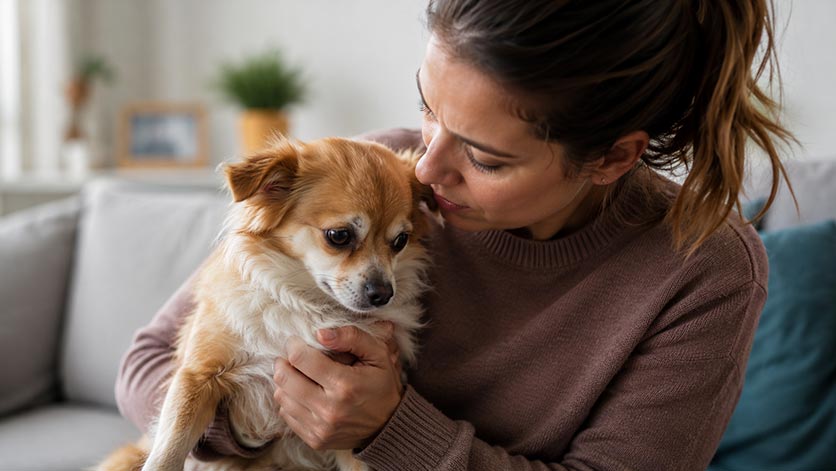
The shaking itself is only part of the picture. The surrounding circumstances matter just as much. Does it last only a few moments or continue for a longer period? Is the whole body affected or just one leg? Is your dog responsive, eating normally, and able to walk without difficulty?
Careful observation can give your veterinarian valuable clues.
Why do dogs shake?
Shaking is caused by rapid, involuntary muscle movements. In some situations, this is a normal physical response. A dog may shiver to generate body heat in cold weather, for example. Strong emotions can also trigger trembling.
It becomes more concerning when a dog suddenly starts shaking for no obvious reason. If the shaking is accompanied by vomiting, weakness, staggering, pain, or unusual behavior, the cause should be assessed by a veterinarian.
1. Your dog is cold
Cold temperatures are one of the most common harmless causes of trembling. Small, slender, and short-haired dogs tend to lose body heat more quickly. Puppies, senior dogs, and dogs that are ill or weak may also be more sensitive to low temperatures.
Shivering commonly appears after a walk in cold weather, when the coat is wet, or after bathing.
What helps if your dog is shaking from the cold?
Dry your dog thoroughly and bring them into a warm environment. For dogs that are especially sensitive to cold, a properly fitting dog coat may be useful during winter walks.
If the shaking continues even after your dog has warmed up, cold should no longer be assumed to be the only cause.
2. Excitement and anticipation
Some dogs shake simply because they are excited. A walk is about to begin, food is being prepared, or a familiar person has just arrived home.
This type of shaking in dogs usually stops once the excitement passes.
If your dog otherwise appears healthy and shows no additional symptoms, there is usually no reason for concern.
3. Fear and stress
Fear can cause obvious physical reactions in dogs. Common triggers include thunderstorms, fireworks, car journeys, veterinary visits, loud noises, or unfamiliar surroundings.
Alongside trembling, you may notice:
- heavy panting
- ears held back
- tail tucked between the legs
- restlessness
- hiding
- increased salivation
- repeated lip licking
If your dog is shaking and panting, stress or anxiety may therefore be one possible explanation.
If fear occurs frequently or is severe, the underlying trigger should be addressed. A safe retreat and carefully structured training may help reduce stress over time.
4. Pain
Pain can also make a dog tremble. This is especially relevant in oldr dogs, because they do not always show discomfort in an obvious way.
Possible causes include joint problems, arthritis, back pain, injuries, abdominal pain, or inflammation.
Other changes may also become noticeable. Your dog may move less, hesitate before standing up, walk stiffly, or react sensitively when touched.
If your dog is shaking because of pain, the cause should be examined by a veterinarian.
Do not give human painkillers without veterinary advice. Some medications commonly used by people can be dangerous for dogs.
5. Nausea and digestive problems
A shaking dog may also be experiencing nausea. Some dogs drool more than usual, swallow repeatedly, or lick their lips when they feel sick.
Other possible signs include:
- loss of appetite
- vomiting
- restlessness
- eating grass
- unusual stomach noises
If your dog is shaking and vomiting, pay close attention to their general condition. Repeated vomiting, severe pain, or a swollen abdomen should be assessed by a veterinarian.
6. Low blood sugar
Low blood sugar, also known as hypoglycemia, can cause shaking. Very young puppies, small breeds, and weakened dogs may be particularly vulnerable.
In addition to trembling, symptoms can include weakness, an unsteady gait, confusion, collapse, or seizures in severe cases.
A dog that is shaking and appears weak should therefore not simply be monitored for an extended period.
Severe weakness, collapse, or changes in consciousness require urgent veterinary attention.
7. Poisoning
Sudden, severe trembling can be a sign of poisoning in dogs.
Possible hazards include:
- chocolate
- xylitol or birch sugar
- medications
- nicotine
- pesticides
- slug pellets
- moldy food
- certain toxic plants
Depending on the substance involved, poisoning may cause vomiting, drooling, agitation, staggering, muscle tremors, or seizures.
If there is any reason to suspect that your dog has eaten something toxic, contact a veterinarian or emergency veterinary clinic immediately.
Take the packaging or product information with you if possible. Do not attempt to make your dog vomit unless a veterinarian specifically tells you to do so.
8. Fever or infection
Illnesses that cause fever can also lead to trembling or shivering. The dog may seem unusually tired, eat less, or withdraw.
Other symptoms depend on the underlying illness and may include coughing, diarrhea, or vomiting.
If your dog's general condition has clearly changed, checking the body temperature and seeking veterinary advice may be appropriate.
A normal body temperature for an adult dog is generally around 38 to 39 degrees Celsius.
9. Neurological disorders
Neurological problems may cause tremors or involuntary muscle movements.
Particular attention is needed when your dog is shaking and cannot walk properly.
Other possible signs include:
- staggering
- balance problems
- head tilt
- weakness
- unusual eye movements
- muscle twitching
- paralysis
These symptoms should be assessed promptly by a veterinarian.
Depending on the findings, further tests may include blood work, diagnostic imaging, or a neurological examination.
10. Generalized Tremor Syndrome
Generalized Tremor Syndrome causes varying degrees of body-wide trembling.
It was historically referred to as “White Shaker Syndrome” because it was first described more commonly in small white dogs. However, it can also affect dogs of other sizes and coat colors.
The condition cannot be diagnosed from shaking alone. Other possible causes first need to be ruled out.
11. Metabolic and electrolyte disorders
Changes in certain blood values can also cause muscle tremors.
Possible causes include problems with blood sugar or disturbances in important electrolytes. Low calcium levels can also cause muscle twitching and shaking.
Liver or kidney disease may affect metabolism and, in some cases, the nervous system.
If the shaking is unexplained or keeps returning, blood tests may therefore be useful.
Calcium or other supplements should not be given without a diagnosis or veterinary recommendation.
12. Age and muscle loss
Oldr dogs often develop trembling in the legs, particularly while standing.
Possible reasons include declining muscle strength, age-related muscle loss, arthritis, or other physical changes.
However, shaking in an oldr dog should not automatically be dismissed as normal aging.
If the trembling is new, becoming more frequent, or accompanied by difficulty standing up, your dog should be examined. Depending on the cause, appropriate exercise, physiotherapy, weight management, or pain treatment may help.
Dog shaking all over: when should you be concerned?
If your dog is suddenly shaking all over, consider what happened immediately beforehand.
Could your dog have eaten something unusual? Were they outside unsupervised? Could they have accessed medication? Are they vomiting or acting confused?
Sudden, strong whole-body trembling without an obvious explanation should be taken seriously, particularly when additional symptoms are present.
Shaking or seizure?
Trembling and seizures can sometimes look similar, but they are not the same.
During an ordinary tremor, a dog is usually conscious and responsive. They may still be able to stand, walk, and react to their surroundings.
During a severe seizure, the dog may lose consciousness, fall over, become stiff, or show uncontrolled repetitive muscle movements. Some dogs drool heavily or lose control of their bladder or bowels.
A first seizure should always be discussed with a veterinarian.
When does a shaking dog need emergency veterinary care?
Not every episode of trembling is an emergency. Certain combinations of symptoms should, however, be treated as urgent.
Seek immediate veterinary help if your dog has:
- suspected poisoning
- seizures
- collapse or loss of consciousness
- breathing difficulties
- severe pain
- significant staggering
- signs of paralysis
- repeated vomiting
- a severely swollen abdomen
- sudden, intense whole-body tremors
If your dog is shaking and can no longer walk, emergency veterinary assessment is also recommended.
What should you do when your dog is shaking?
If the shaking is mild and there are no other symptoms, first consider the most obvious trigger. If your dog is cold, warm them gradually. If they are stressed, move them to a calm, familiar environment.
If the trembling happens repeatedly, record an episode on your phone if possible. A video can help the veterinarian judge the type and severity of the movements.
It is also useful to note how long each episode lasts, how often it occurs, and whether other symptoms appear at the same time.
Repeated shaking in dogs can have many causes. These observations can help distinguish a harmless trigger from a condition that requires veterinary treatment.