My Dog Has Diarrhea – Causes, Home Remedies & When to See a Vet
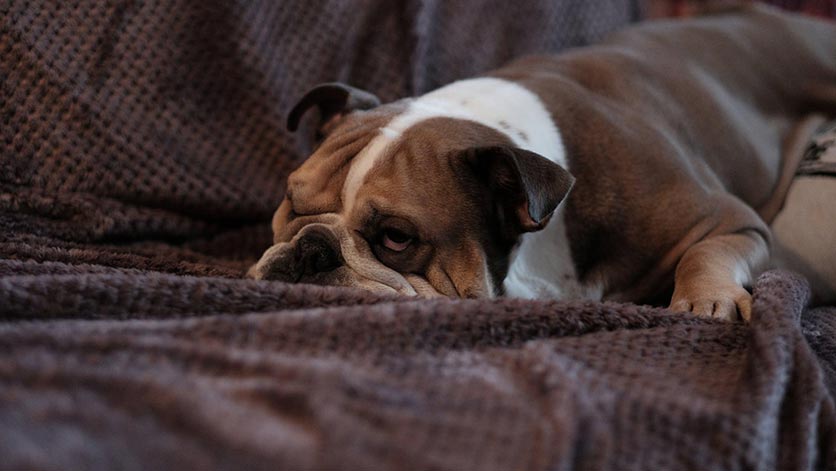
your dog has diarrhea – and it often seems to come completely out of nowhere. Everything may have been normal during the last walk, only for the stool to become suddenly soft or watery just a few hours later. The cause may be something relatively harmless, such as a reaction to unfamiliar food, but diarrhea can also be associated with a condition that should be evaluated by a veterinarian.
For this reason, it is important to look at more than the diarrhea itself. Your dog’s overall condition, how long the symptoms last, and additional signs such as vomiting, blood in the stool, pain, or severe tiredness are also important.
Dog Has Diarrhea – What Is Actually Happening?
Not every slightly soft stool automatically qualifies as diarrhea. Diarrhea generally refers to stool that is noticeably softer or watery and is often passed more frequently than usual.
Acute diarrhea starts suddenly and may disappear again after a short period of time. If it continues for longer, keeps returning, or is accompanied by other symptoms, the underlying cause should be investigated.
Diarrhea causes the body to lose fluids and electrolytes. Severe or persistent diarrhea can therefore lead to dehydration. Puppies, senior dogs, and dogs with existing health problems may be particularly sensitive to this loss of fluid.

Common Causes of Diarrhea in Dogs
A Change of Food or Unfamiliar Food
A sudden change in diet can put strain on the digestive system. Some dogs may react to a new source of protein, a higher fat content, or unfamiliar treats with soft stool or diarrhea.
A change of food should therefore generally be introduced gradually.
Too Much Food or Unsuitable Food
Large portions, table scraps, or particularly fatty foods can also upset a dog’s digestion.
Not everything that humans can eat without problems is suitable for dogs.
Spoiled Food or Eating Unknown Objects
During a walk, one brief unobserved moment may be enough for a dog to eat rubbish, spoiled food, plants, animal feces, or an unknown object.
If poisoning or ingestion of a foreign object is suspected, you should not wait to see whether the dog improves on its own.
Stress and Excitement
Travel, moving house, staying in boarding kennels, unfamiliar situations, or intense excitement can affect the gastrointestinal system of some dogs.
Parasites and Giardia
Parasites are another possible cause of diarrhea. These can include certain types of worms as well as Giardia. If diarrhea keeps returning, a veterinarian may recommend examining a stool sample.
Infections
Viral or bacterial infections can also cause diarrhea. Particular attention is required in puppies and unvaccinated dogs.
Food Intolerances or Reactions to Food
If digestive problems occur repeatedly, diet may also play a role. However, a food intolerance or reaction cannot be diagnosed solely on the basis of diarrhea.
Medication and Other Medical Conditions
Certain medications and illnesses outside the digestive tract can also cause diarrhea. Persistent or recurring diarrhea should therefore not simply be managed by repeatedly changing the dog’s food.
Dog Suddenly Has Diarrhea – What Can I Do?
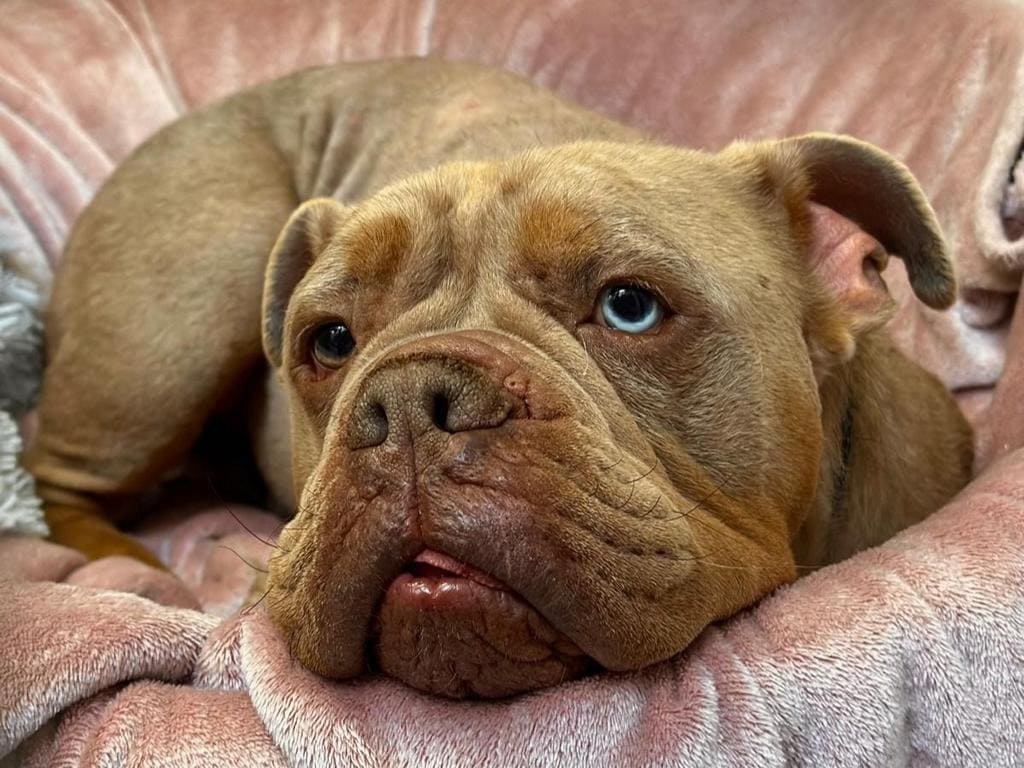
If your dog suddenly develops diarrhea, the first step is to observe its overall condition carefully.
Pay particular attention to:
frequency and consistency of the diarrhea
unusual color
blood or noticeable mucus
drinking behavior
appetite
vomiting
abdominal pain
unusual tiredness
fever or circulatory problems
changes in normal behavior
An otherwise lively adult dog that passes soft stool once should be assessed differently from a puppy with repeated watery diarrhea and vomiting.
Photos of the stool and information about what your dog has eaten or may have picked up during the previous hours can also be useful if you need to visit a veterinarian.
Home Remedies for Diarrhea in Dogs – What Makes Sense?
When a dog develops diarrhea, many owners initially turn to familiar home remedies. However, caution is advisable, because not every remedy used for humans is suitable for dogs. It is also important to remember that diarrhea is only a symptom and can have many different causes. In an otherwise lively adult dog with mild, short-term diarrhea, it may initially be reasonable to reduce strain on the digestive system and monitor the dog closely. If the dog's condition worsens, the diarrhea persists, or additional symptoms develop, you should not continue experimenting with home remedies.
Adequate fluid intake is particularly important. Frequent or very watery diarrhea can cause a dog to lose a considerable amount of fluid within a relatively short period of time. Fresh water should therefore always be available. However, it is not enough simply to provide water; you should also check whether the dog is actually drinking and whether it can keep the fluid down. If the dog refuses water, vomits repeatedly, or appears noticeably weak and lethargic, veterinary advice should be sought.
Bland Diet for Diarrhea
For mild and uncomplicated digestive problems, easily digestible food may sometimes be suitable for a limited period. This is often referred to as a bland diet. The aim is to provide food that places as little strain as possible on the digestive system and is easy to tolerate. The most appropriate diet depends on the dog's age, overall health, possible intolerances, and the underlying cause of the diarrhea. In puppies, senior dogs, or animals with existing medical conditions, the diet should not be changed without careful consideration.
Special veterinary gastrointestinal diets may also be suitable for certain digestive problems. These foods are formulated to be particularly easy to digest and can help support the gastrointestinal tract. However, any long-term dietary change should still be discussed with a veterinarian. Homemade bland diets are also not automatically suitable as permanent nutrition because they may not provide all essential nutrients in the correct amounts over the long term.
Small Portions Instead of Large Meals
Once the dog's condition has stabilized and its appetite returns, smaller portions may be easier to tolerate than one large meal. This places less strain on the digestive system. The normal amount of food can then be gradually reintroduced. An abrupt return to very large or high-fat meals, on the other hand, may trigger digestive problems again.
Human medications should generally not be given without veterinary advice. Even products that appear harmless from the home medicine cabinet may be unsuitable for dogs or cause adverse interactions. Medication and medical preparations should therefore only be administered after consulting a veterinarian.
What Should a Dog Eat When It Has Diarrhea?
When a dog has diarrhea, the main aim is to avoid placing additional strain on the digestive system. Easily digestible food in smaller portions may be appropriate, while fresh water should always be available. However, the most suitable food can vary from one dog to another. Something that is well tolerated by a healthy adult dog may not be appropriate for a puppy, a very old dog, or an animal with a chronic medical condition.
If the dog's food was changed shortly before the diarrhea started, this possible connection should be taken into account. A very rapid switch between two types of food can upset the digestion of sensitive dogs. In such cases, future food changes should generally be made more slowly by gradually mixing increasing amounts of the new food with the previous diet.
The quality and composition of the food can also play a role. However, not every digestive problem automatically means that the current food is unsuitable. If diarrhea repeatedly occurs in connection with certain foods or ingredients, a veterinarian should help determine whether an intolerance or another underlying cause may be involved.
When Should a Dog With Diarrhea See a Veterinarian?
Not every single episode of soft stool is a medical emergency. The dog's overall condition is always important. An adult dog that remains lively, drinks normally, and only has temporarily softer stool may initially be observed. The situation is different if the diarrhea becomes severe or watery, occurs frequently, persists, or if the dog's general condition changes.
Particular attention is required if there is visible blood in the stool, the stool appears unusually black or tar-like, the dog vomits repeatedly, or appears to be in pain. Severe tiredness, lethargy, fever, circulatory problems, or significantly reduced fluid intake are also warning signs. The same applies if you suspect that the dog may have swallowed a toxic substance, medication, a foreign object, or spoiled food. In these situations, you should not simply wait to see whether the dog's condition improves on its own.
Very young puppies, senior dogs, and animals with existing medical conditions should generally receive veterinary attention sooner. These dogs may be less able to compensate for significant fluid loss. If the diarrhea persists, becomes more severe, or is accompanied by additional symptoms, a veterinary examination is also advisable.
If your dog has severe symptoms, blood in the stool, circulatory problems, or if poisoning or a swallowed foreign object is suspected, do not wait. In a possible emergency, contact a veterinary practice, veterinary clinic, or emergency veterinary service immediately.
Puppy Has Diarrhea – Why Extra Caution Is Needed
Diarrhea in a puppy should generally be monitored more carefully than in a healthy adult dog. Young dogs have fewer physical reserves and can lose fluids more quickly through severe or repeated diarrhea. At the same time, several possible causes in puppies require veterinary assessment, including parasites and infections.
If a puppy has slightly softer stool only once but remains active, eats normally, and drinks normally, this does not automatically indicate a serious illness. However, if diarrhea occurs repeatedly, becomes very watery, or is accompanied by vomiting, blood in the stool, fever, loss of appetite, or marked tiredness, a veterinarian should be contacted promptly. With very young puppies, it is better to seek professional advice sooner rather than later.
Dog Has Diarrhea and Vomiting at the Same Time
If diarrhea and vomiting occur at the same time, the dog should be monitored particularly closely. Both symptoms cause fluid loss, which can increase the risk of dehydration. The frequency of vomiting, severity of the diarrhea, and changes in the dog's general condition are especially important.
A dog that vomits once and then behaves completely normally should be assessed differently from a dog that vomits repeatedly while also suffering from severe diarrhea, pain, or lethargy. If the dog cannot keep even small amounts of water down, you should not wait too long before seeking veterinary advice. Blood in vomit or stool, a noticeably bloated abdomen, severe restlessness, pain, or suspected ingestion of a foreign object must also be taken seriously.
Diarrhea and vomiting can have many different causes. Without an examination, it is not possible to determine reliably what is responsible. Severe, recurring, or worsening symptoms therefore require prompt veterinary assessment.
How Can Diarrhea in Dogs Be Prevented?
Not every case of diarrhea can be prevented. However, owners can reduce some common risk factors. A consistent diet that suits the individual dog is particularly important. Food should not be changed abruptly but gradually over several days, allowing the digestive system time to adapt to the new composition.
During walks, it is also worth paying close attention to what the dog picks up. Spoiled food, rubbish, animal feces, or unknown objects can cause significant digestive problems. Some dogs are extremely quick in this respect and may swallow something before their owner has a chance to react. For dogs that frequently pick things up from the ground, targeted training may therefore be useful.
Regular veterinary check-ups and good hygiene are also important. If digestive problems keep returning, constantly changing the food is not necessarily the right solution. Recurring diarrhea can have a variety of causes and may need to be investigated more thoroughly.
Frequently Asked Questions About Diarrhea in Dogs
How Long Can a Dog Have Diarrhea?
There is no single time limit that applies to every dog because age, health status, severity of the diarrhea, and possible additional symptoms all need to be considered. Mild digestive problems may resolve relatively quickly in an otherwise healthy adult dog. However, if the diarrhea persists, becomes more severe, or additional symptoms occur, a veterinarian should be contacted. Puppies, senior dogs, and dogs with existing health problems should generally be assessed earlier.
What Can I Give My Dog for Diarrhea?
Fresh water is particularly important to help compensate for fluid loss. In uncomplicated cases, easily digestible food may temporarily be appropriate after consulting a veterinarian. However, the best type of food depends on the individual dog. Medication or products from your own medicine cabinet should not be given without veterinary advice.
When Does Diarrhea Become Dangerous for a Dog?
Diarrhea can become particularly concerning when the dog loses large amounts of fluid or develops additional symptoms. Blood in the stool, black or tar-like stool, severe vomiting, marked weakness, pain, fever, or circulatory problems are warning signs. Veterinary assistance should also be sought immediately if poisoning or ingestion of a foreign object is suspected.
What Does Yellow Diarrhea in a Dog Mean?
The color of the stool alone is not enough to determine the cause reliably. Yellowish stool can occur in connection with diet or changes in digestion. If the change persists, keeps returning, or the dog develops additional symptoms, the cause should be assessed by a veterinarian.
What Does Diarrhea With Blood Mean?
Blood in diarrhea should be taken seriously. Fresh reddish blood may look different from very dark or black stool, but the cause cannot be determined reliably from color alone. If there is a larger amount of blood or the dog also has vomiting, pain, weakness, or other symptoms, veterinary examination should be arranged promptly.
Can Changing Dog Food Cause Diarrhea?
Yes. An abrupt change of food can cause temporary digestive problems in sensitive dogs. It is therefore usually advisable not to switch completely from one food to another overnight, but to introduce the new diet gradually. If diarrhea continues despite a careful transition or repeatedly occurs with certain foods, the underlying cause should be investigated.
Health Notice
This article is intended solely for general information and does not replace a veterinary examination, diagnosis, or treatment. The possible causes, home remedies, and measures described here do not constitute individual medical or veterinary advice. Whether an illness is present and which treatment is necessary can only be determined following an examination by a veterinarian.
If diarrhea persists or becomes severe, or if there is blood in the stool, black stool, repeated vomiting, pain, fever, marked weakness, dehydration, or a noticeable deterioration in the dog's general condition, the dog should be examined by a veterinarian. The same applies if poisoning, ingestion of a foreign object, or ingestion of an unsuitable substance is suspected.
In an acute emergency, do not wait. Contact a veterinary practice, veterinary clinic, or emergency veterinary service immediately. Particular caution is required with puppies, senior dogs, and dogs with existing medical conditions.