

My Dog Has Worms - Symptoms & Deworming Guide
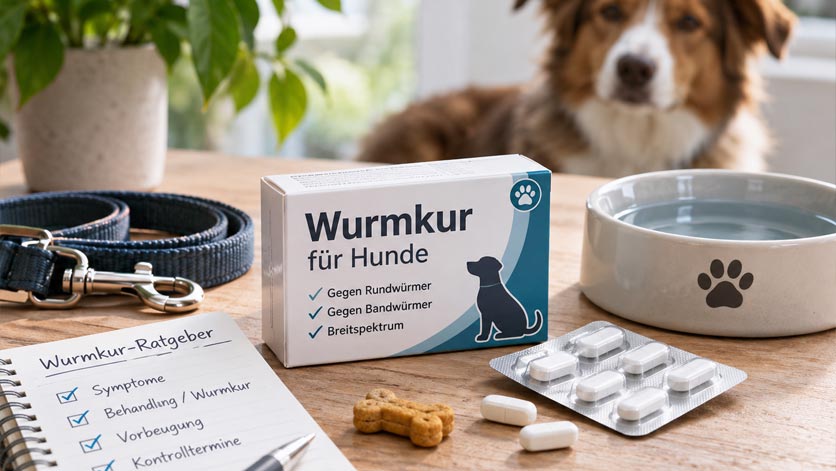
Worms are among the most common parasites affecting dogs, regardless of their age, breed or living conditions. Even dogs that receive regular grooming, high-quality food and live in a clean household are not immune to worm infections. Exposure can occur during daily walks, while exploring dog parks or through contact with other animals.
One of the greatest challenges is that worm infestations often remain undetected for extended periods. While some dogs develop noticeable health problems, others initially show no symptoms at all. Nevertheless, parasites can spread throughout the body, damage internal organs and, in certain cases, pose a health risk to humans.
But how can you tell if your dog has worms? When is deworming necessary, what types of worms can affect dogs, and how can the risk of infection be reduced? Our comprehensive guide explains what dog owners should look out for and which preventive measures can help protect their four-legged companions.
1. Worms in Dogs: Causes, Transmission and Different Types of Worms
Worm infections in dogs occur when animals ingest worm eggs or larvae, or when certain parasites are transmitted through intermediate hosts. There are numerous potential sources of infection in a dog's everyday environment.
Dogs frequently become infected through contaminated soil, contact with infected animal faeces, consumption of infected prey or ingestion of parasites while grooming themselves. Raw meat that has not been appropriately treated can also be a source of infection.
Puppies may become infected with certain types of worms before birth or through their mother's milk.
Not all worms affect the digestive system. Some species can also damage the lungs, heart and other internal organs.
Roundworms (Toxocara canis)
Roundworms are among the best-known intestinal parasites in dogs. They have a long, pale appearance resembling spaghetti. Adult roundworms live in the small intestine and can cause considerable health problems, particularly in puppies.
Severe infestations may lead to digestive problems, a swollen abdomen, developmental disorders and weight loss.
Tapeworms (Cestoda)
Tapeworms consist of numerous individual body segments. Some of these segments are passed in the dog's faeces and may also become visible in the fur surrounding the anus. They often resemble small grains of rice.
Transmission can occur when dogs swallow infected fleas or consume infected prey. The fox tapeworm is particularly significant because of its potential to cause serious disease in humans.
Hookworms (Ancylostomatidae)
Hookworms attach themselves to the intestinal lining, and some species feed on blood. Consequently, they can cause anaemia, weakness and bloody diarrhoea. Young dogs and animals with compromised health are particularly vulnerable.
Whipworms (Trichuris vulpis)
Whipworms primarily inhabit the large intestine. Severe infestations can cause chronic diarrhoea, mucus in the stool, weight loss and intestinal inflammation. Their eggs can survive in the environment for extended periods under favourable conditions.
Lungworms
Certain lungworms can be transmitted when dogs swallow infected slugs or snails. Depending on the parasite species, they may affect the respiratory system or the blood vessels of the lungs.
Possible consequences include coughing, breathing difficulties, reduced physical performance and blood clotting disorders.
Heartworms (Dirofilaria immitis)
Heartworms are transmitted through infected mosquitoes. They are particularly prevalent in warmer regions of Europe, including Spain, Italy and Greece.
Heartworm disease can cause severe cardiovascular and pulmonary complications. Dog owners planning to travel to affected regions should consult their veterinarian about appropriate parasite prevention before departure.

2. Symptoms of Worms in Dogs: Warning Signs Every Dog Owner Should Recognise
The symptoms of a worm infestation depend on the parasite species, the severity of the infection, the dog's age and its overall health.
While healthy adult dogs may show no visible symptoms, puppies, senior dogs and animals suffering from chronic illnesses can experience considerable health complications.
The following symptoms may indicate that your dog has worms:
Persistent or recurring diarrhoea
Vomiting and nausea
Unexplained weight loss
Weight loss despite a normal or increased appetite
Loss of appetite
Dull or unhealthy-looking coat
Swollen abdomen, particularly in puppies
Fatigue and general weakness
Mucus or blood in the stool
Visible worms or worm segments in faeces
Itching around the anus
Dragging the hindquarters along the ground
Coughing and breathing difficulties
Pale gums caused by anaemia
Growth and developmental problems in young dogs
Scooting, a behaviour in which dogs drag their hindquarters across the floor, is frequently associated with worm infections. However, blocked or inflamed anal glands, skin irritation and other medical conditions can also cause this behaviour.
What Do Worms Look Like in Dog Poop?
Roundworms may appear as long, whitish or cream-coloured structures in the stool. Tapeworm segments, on the other hand, often resemble small grains of rice and can occasionally be found on a dog's bedding.
However, most worm eggs are microscopic and cannot be seen with the naked eye. Normal-looking stools therefore do not necessarily mean that a dog is free from parasites.
If you suspect that your dog has worms, a veterinary examination is recommended.
Immediate veterinary attention is essential if your dog experiences bloody diarrhoea, severe breathing difficulties, a significantly swollen abdomen, unusually pale gums or circulatory collapse.
3. Deworming Dogs: Treatment, Effectiveness and Recommended Deworming Schedules
Deworming, also known in veterinary medicine as anthelmintic treatment, is used to eliminate specific worm parasites from a dog's body.
Depending on the medication, several forms of treatment are available, including tablets, chewable tablets, pastes, oral suspensions and certain spot-on treatments.
Selecting the appropriate deworming medication depends on the type of parasite, the dog's body weight, age and any existing medical conditions. Not every deworming product is effective against all types of worms.
How Does a Dog Dewormer Work?
The active ingredients in deworming medications interfere with the metabolism or nervous system of parasites. Depending on the medication and worm species, the parasites are killed or paralysed before being eliminated or broken down within the digestive system.
A conventional treatment against intestinal worms does not provide permanent protection against reinfection. Dogs can encounter and ingest new worm eggs or larvae shortly after successful treatment.
Regular parasite monitoring is therefore an important part of responsible dog ownership.
How Often Should You Deworm Your Dog?
The European Scientific Counsel Companion Animal Parasites (ESCCAP) recommends an individual approach based on each dog's specific risk of infection.
Risk of infection
Recommended frequency
Low risk
Once or twice a year
Average risk
At least four times a year
Increased risk
Between four and twelve times a year, depending on exposure
Very high risk
Monthly treatment may be appropriate
Puppies
According to a specific veterinary deworming schedule
These recommendations provide general guidance. Depending on the parasite species and individual circumstances, regular faecal examinations followed by targeted treatment may be an appropriate alternative.
Dogs that frequently hunt, consume raw meat, have extensive contact with other animals or live in areas with a high prevalence of parasites may require additional preventive measures.
Can Deworming Cause Side Effects in Dogs?
Modern deworming medications are generally well tolerated when administered correctly. Nevertheless, temporary side effects can occasionally occur.
These may include soft stools, diarrhoea, vomiting, reduced appetite or tiredness.
Dogs with liver or kidney disease, known medication intolerances or other existing health conditions require particular care when selecting a suitable deworming product.
Medication should always be administered according to the manufacturer's instructions and veterinary recommendations.
Faecal Testing as an Alternative to Regular Deworming
A parasitological faecal examination can help determine whether a dog is shedding certain worm eggs or larvae.
Veterinarians often recommend collecting stool samples over three consecutive days because parasites do not necessarily shed eggs continuously.
However, a negative test result does not completely rule out a worm infection. Certain parasites require additional diagnostic procedures, such as specialised faecal tests, blood tests or medical imaging.
A veterinarian can determine which examination is most appropriate for your dog's individual circumstances.
4. Preventing Worms in Dogs and Protecting Their Long-Term Health
Completely preventing exposure to all worm parasites is almost impossible in everyday life. However, appropriate hygiene practices and preventive healthcare can significantly reduce the risk of infection.
Dog faeces should be collected promptly and disposed of responsibly. This helps reduce environmental contamination with parasite eggs.
Dog beds, blankets, feeding bowls and water bowls should also be cleaned regularly.
During walks, owners should prevent their dogs from eating animal faeces, carcasses, rodents, slugs or snails. Consistent flea prevention can also reduce the risk of infection with the flea tapeworm.
Dogs that are fed raw meat may require a more carefully considered parasite prevention strategy. Owners should discuss appropriate food preparation and deworming schedules with their veterinarian.
Are Natural Dewormers Effective for Dogs?
Pumpkin seeds, coconut oil, carrots, herbal mixtures and garlic are frequently promoted online as natural remedies for worms in dogs.
However, there is insufficient scientific evidence that these home remedies can reliably eliminate an existing worm infestation. Garlic can even be harmful to dogs, depending on the quantity consumed.
Natural nutritional supplements may complement a balanced diet, but they should not replace medically effective deworming treatment.
Delaying appropriate treatment can allow parasites to multiply and potentially cause serious health complications.
Can Humans Get Worms from Dogs?
Certain worm species are classified as zoonotic parasites, meaning they can be transmitted from animals to humans.
Roundworms and certain tapeworm species are particularly important because they can cause serious human health conditions.
Young children may face an increased risk of exposure through contact with contaminated soil, sandpits and surfaces, especially when putting their hands into their mouths.
Thorough handwashing after gardening, handling dog faeces and before eating is therefore an essential preventive measure.
Regular parasite control not only protects dogs but also helps reduce the risk of infection within the household.
Never Underestimate Worm Infections in Dogs
Worm infections are relatively common and can affect dogs that appear perfectly healthy. Responsible parasite prevention involves regular health checks, an individually tailored deworming strategy and appropriate hygiene practices.
Paying attention to changes in your dog's behaviour, digestion, appetite and body weight can help identify potential health problems before they become more serious.
A well-balanced diet, appropriate exercise and regular veterinary care also contribute to your dog's overall health and well-being.
An individually tailored parasite prevention plan not only protects your four-legged companion but also helps reduce the risk of infection for other animals and humans.
This article from the AMADEUS OEB Dog Magazine is intended for general informational purposes and does not replace professional veterinary diagnosis or treatment.